
Table of Contents
- Understanding Bathroom Remodel Costs in 2026
- Labour vs. Material Costs: Where Your Budget Goes
- Bathroom Renovation Permit Requirements in BC
- Cost of Custom Tile and Waterproofing
- Hiring a Licensed General Contractor in Surrey and the Lower Mainland
- Bathroom Renovation Timeline and Project Phases
- Hidden Costs and Budget Protection Strategies
- Conclusion
Last Updated: August 8, 2026
Understanding Bathroom Remodel Costs in 2026
The cost of bathroom remodel in 2026 varies significantly based on scope, materials, and local labour rates across British Columbia. For homeowners in Surrey, South Surrey, White Rock, Langley, Delta, Cloverdale, and Tsawwassen, understanding where your renovation budget actually goes is essential before committing to a project. At White Rock Handyman & Renovations, we’ve completed hundreds of bathroom transformations, from modest updates to full-gut renovations, and the cost picture has shifted noticeably this year compared to 2025.
Material costs remain elevated due to ongoing supply chain adjustments, while labour rates have stabilized somewhat. The key is knowing what drives expenses up or down, and where you can make strategic choices without compromising quality or code compliance. A basic bathroom renovation differs dramatically from a major overhaul involving structural changes, plumbing rough-in work, and custom tile installations.
Most homeowners underestimate hidden costs. Permit fees, unexpected subfloor damage, waterproofing work, and electrical upgrades often surprise property owners mid-project. The difference between a transparent quote and a project that spirals is working with a licensed general contractor bathroom remodel Langley who provides detailed cost breakdowns upfront and explains what’s included, and what isn’t.
This guide covers the real factors that shape bathroom renovation budgets in 2026, from labour allocation to material selection, permit requirements, and the long-term value of investing in quality craftsmanship.
Labour vs. Material Costs: Where Your Budget Goes
Labour and materials split your renovation budget differently depending on project scope. In a basic bathroom refresh, new fixtures, fresh tile, updated vanity, materials typically consume 40-50% of your budget, with labour making up the remainder. In a major renovation involving structural changes, plumbing relocation, or custom tile work, that ratio shifts. Labour becomes more significant because skilled trades spend more time on site.
The complexity of your bathroom’s layout determines labour intensity. A straightforward bathroom with existing plumbing runs requires less rework than one where you’re relocating a toilet, moving the shower, or reconfiguring the vanity area. Waterproofing and custom tile installation, critical for longevity, are labour-intensive tasks that demand precision and experience. This is where hiring a licensed general contractor matters: improper waterproofing leads to costly water damage later.
Material selection dramatically affects your total cost. Mid-range ceramic or porcelain tile costs significantly less than natural stone or large-format tiles. Vanities range from basic stock options to custom cabinetry. Fixtures span budget-friendly to premium brands. The choice between a standard bathtub and a walk-in shower conversion, or between basic lighting and integrated smart-home features, shifts your material budget considerably.
Labour rates in the Lower Mainland reflect the region’s cost of living and contractor experience levels. Licensed, insured, and bonded contractors, the standard you should expect, command rates that reflect their credentials, insurance coverage, and accountability. This isn’t negotiable if you want work completed to code with WorkSafeBC compliance and proper liability protection.
Bathroom Renovation Permit Requirements in BC
Bathroom renovations in BC require permits when work involves plumbing, electrical systems, structural changes, or waterproofing installations. The bathroom renovation permit requirements BC framework exists to ensure work meets building codes, protects your home’s safety, and maintains resale value. Skipping permits creates liability: unpermitted work can affect insurance claims, complicate future sales, and leave you personally responsible if something fails.
In Surrey, South Surrey, White Rock, Langley, Delta, Cloverdale, and Tsawwassen, municipal building departments administer permit requirements. A licensed general contractor handles permit applications, inspections, and compliance documentation as part of their service. This includes coordinating with municipal inspectors at key stages: after demolition, after rough-in work (plumbing and electrical), and before final finishing.
Permit costs vary by municipality and project scope, but they’re a necessary investment. The permit process ensures your contractor follows current building codes, properly sizes electrical circuits, installs adequate ventilation, and completes waterproofing correctly. When work is permitted and inspected, you have documented proof that the renovation meets code standards, critical for resale and insurance purposes.
WorkSafeBC compliance is mandatory for any licensed contractor working on your property. This means your contractor carries proper workers’ compensation coverage, maintains a current WorkSafeBC clearance letter, and follows workplace safety regulations. This protects you from liability if someone is injured on site.
Cost of Custom Tile and Waterproofing
Custom tile and waterproofing represent significant portions of a bathroom renovation budget, and they’re investments that directly impact durability. The cost of custom tile and waterproofing depends on tile selection, shower complexity, and whether you’re addressing existing moisture issues.
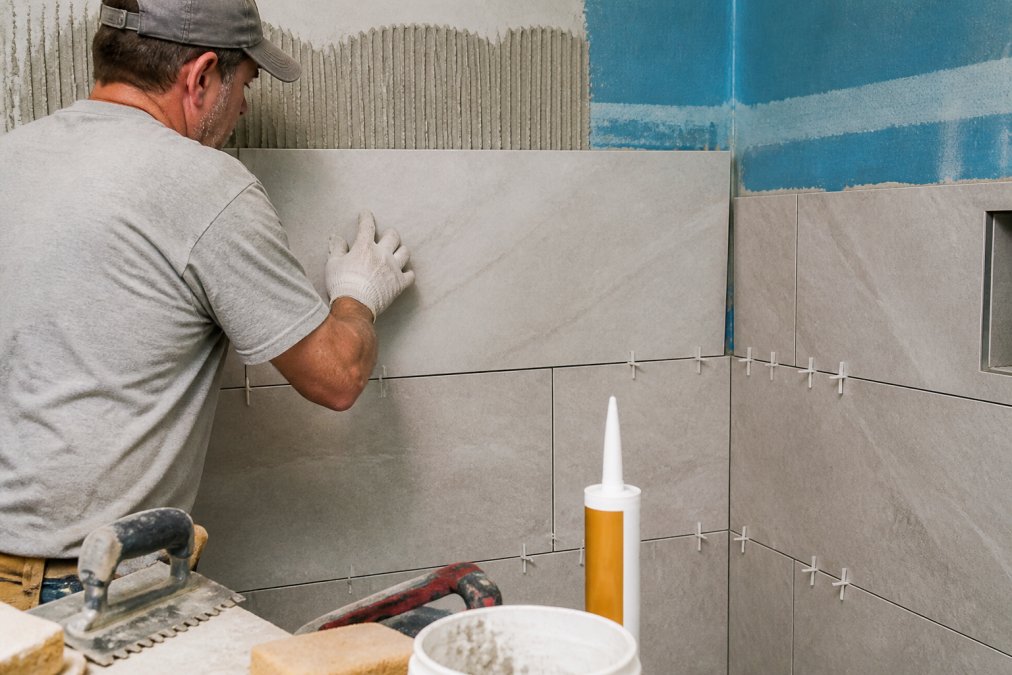
Tile choices range dramatically. Basic ceramic tile costs considerably less than large-format porcelain, natural stone, or specialty finishes. Labour for tile installation varies by tile size, pattern complexity, and substrate condition. Large-format tiles require more skill to install properly and minimize grout lines, which affects cost. Custom tile work, creating patterns, mosaics, or accent walls, increases labour significantly.
Waterproofing is non-negotiable in bathrooms. Moisture penetration leads to mould, structural rot, and expensive remediation. Modern bathroom waterproofing involves membrane systems applied before tile installation. This includes waterproofing the entire shower enclosure, floor, and any areas prone to water exposure. Proper waterproofing also requires adequate ventilation, exhaust fans sized to your bathroom square footage and vented outside, not into attic spaces.
A walk-in shower conversion typically involves more waterproofing work than a standard tub-to-shower conversion because the entire shower floor must slope toward a drain and be fully sealed. Curbless or near-curbless designs require precision grading and membrane installation to prevent water from escaping the shower area. Whether you’re considering a curbless tile shower installation Surrey BC or exploring tub to shower conversion specialist South Surrey options, proper waterproofing is the foundation of a long-lasting installation.
The relationship between tile quality and longevity matters. Premium tile and proper installation cost more upfront but require fewer repairs over decades. Budget tile installed poorly fails faster and costs more to replace. This is where experience and craftsmanship show real value.
Hiring a Licensed General Contractor in Surrey and the Lower Mainland
Hiring a licensed general contractor in Surrey and the Lower Mainland protects your investment and ensures code-compliant work. A licensed contractor holds municipal business licensing, carries Commercial General Liability (CGL) insurance, maintains a current WorkSafeBC clearance letter, and carries workers’ compensation coverage. These aren’t optional credentials, they’re the baseline for legitimate renovation work.
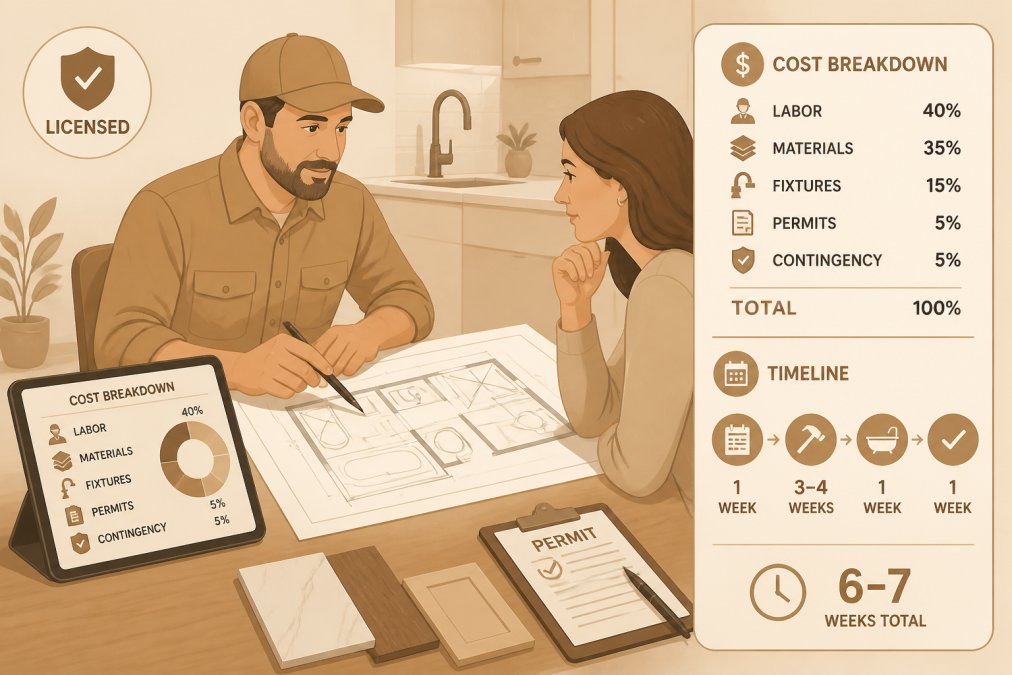
The difference between a licensed general contractor and unlicensed operators is accountability and insurance. If something goes wrong, a plumbing leak, electrical issue, or structural problem, you have recourse with a licensed, insured contractor. Unlicensed work leaves you personally liable and uninsured.
When evaluating contractors, verify credentials directly. Ask for proof of current municipal business licensing, CGL insurance documentation, and a valid WorkSafeBC clearance letter. Request references from recent bathroom renovation projects. A reputable contractor provides detailed written quotes before work begins, with no call-out fees for estimates. Transparent pricing means you understand exactly what’s included and what costs extra.
Experience matters significantly. A contractor with decades of bathroom renovation experience understands common pitfalls, codes specific to the Lower Mainland, and how to manage timelines realistically. They’ve encountered hidden issues, rotted subfloors, plumbing surprises, structural concerns, and know how to address them without panic or massive cost overruns.
Communication and reliability separate good contractors from problematic ones. You should expect regular updates, clear explanations of decisions, and respect for your timeline. A contractor who disappears mid-project, avoids questions, or keeps you in the dark creates stress and uncertainty. White Rock Handyman & Renovations operates with transparency: you get detailed quotes upfront, regular communication throughout the project, and satisfaction guarantees.
Bathroom Renovation Timeline and Project Phases
Understanding the bathroom renovation timeline helps you plan around disruption and set realistic expectations. A basic bathroom renovation typically spans 2-4 weeks, depending on scope. A major renovation involving structural changes, plumbing relocation, or custom tile work extends to 4-8 weeks or longer.
The timeline breaks into distinct phases. Demolition and removal of existing fixtures usually takes 1-2 days. If subfloor damage is discovered during demolition, repairs add time. Rough-in work, plumbing, electrical, and any structural modifications, follows demolition and requires inspections. This phase varies widely based on complexity. Simple updates might need 2-3 days; major plumbing relocations take a week or more.
Waterproofing and substrate preparation precedes tile installation and cannot be rushed. Proper membrane application and curing time are essential. Tile installation follows, and the complexity of your tile design affects duration. Grouting, sealing, and curing add additional days. Final finishing, installing fixtures, vanities, mirrors, lighting, completes the project.
Permit inspections occur at key stages and can delay timelines if work doesn’t pass. A licensed contractor coordinates inspections to minimize delays. Weather, material availability, and subcontractor scheduling also influence timelines. A transparent contractor builds realistic timelines into their project plan and communicates delays promptly.
Bathroom renovations require you to be without that space during the project. Planning for alternative bathroom access, especially in single-bathroom homes, is essential. Some contractors can phase work to minimize disruption, though this typically extends the overall timeline.
Hidden Costs and Budget Protection Strategies
Hidden costs emerge in most bathroom renovations. Understanding common surprises helps you budget realistically and protect yourself financially. Subfloor damage is the most common hidden cost. Once demolition reveals the area beneath old fixtures, rot, water damage, or structural issues often appear. Addressing this is non-negotiable for a durable renovation, but it increases costs.
Plumbing surprises occur when existing pipes are corroded, misaligned, or don’t meet current code. Relocating plumbing lines costs more than leaving them in place. Electrical work sometimes requires upgrading circuits or adding outlets to meet code requirements. Ventilation inadequacy often surfaces, older bathrooms frequently lack proper exhaust capacity, requiring new ductwork and fan installation.
Permit-related costs include application fees, inspection fees, and potential re-inspection charges if work doesn’t pass initially. Material price fluctuations can shift costs if your project extends beyond initially quoted timelines. Contingencies for unforeseen issues, typically 10-15% of your budget, provide a financial buffer.
Budget protection strategies start with a detailed written quote that itemizes labour, materials, permits, and contingency. A reputable contractor explains what’s covered and what would trigger additional costs. Request a clause limiting contingency overruns, many contractors cap unexpected expenses at a percentage of the original quote.
Regular communication throughout the project prevents surprises. If issues arise, address them immediately rather than discovering them at project completion. A contractor who explains problems as they surface, discusses solutions, and gets approval before proceeding demonstrates professionalism and respect for your budget.
Staged payment schedules protect both parties. Rather than paying upfront, structure payments around project milestones: initial deposit, payment after rough-in inspection, payment after waterproofing, final payment upon completion. This ensures the contractor has incentive to complete quality work and gives you recourse if issues arise.
Conclusion
The cost of bathroom remodel in 2026 reflects material expenses, skilled labour, permits, and the complexity of your specific project. From a modest fixture refresh to a full-gut renovation with custom tile work and structural changes, understanding where your budget goes, and protecting yourself with a licensed, insured contractor, determines whether your renovation delivers lasting value.
White Rock Handyman & Renovations brings 37 years of bathroom renovation experience to properties across Surrey, South Surrey, White Rock, Langley, Delta, Cloverdale, and Tsawwassen. We provide transparent, detailed quotes upfront with no call-out fees, handle all permit coordination and WorkSafeBC compliance, and guarantee satisfaction with licensed, insured, and bonded craftsmanship. Whether you’re exploring custom bathroom renovations or seeking a custom bathroom renovation contractor White Rock BC, get a free estimate and see how we approach your specific bathroom renovation with clarity and expertise.
Frequently Asked Questions
How much does a bathroom remodel cost in British Columbia in 2026?
Bathroom remodel costs in BC vary significantly based on scope, square footage, and material choices. A basic renovation focused on fixture replacement costs less than a full-gut renovation involving layout changes, plumbing rough-in work, and custom tile installation. Factors like demolition complexity, subfloor repair, electrical wiring upgrades, and waterproofing all influence the final budget. For an accurate estimate tailored to your home and preferences, contact White Rock Handyman & Renovations for a detailed quote.
What is the most expensive part of a bathroom renovation?
Labour costs typically represent the largest expense in bathroom renovations, particularly for skilled trades like plumbing, electrical work, and tile installation. Material expenses for high-end fixtures, custom cabinetry, and premium tile selections also add significantly. Waterproofing and subfloor repair—often unforeseen during demolition—can push costs higher. The scope of your project determines which component dominates your budget.
Why is hiring a licensed general contractor important for BC bathroom renovations?
A licensed general contractor in BC ensures your project meets building codes, handles permits correctly, and carries Commercial General Liability (CGL) insurance to protect you. Licensed contractors hold WorkSafeBC clearance letters and municipal business licensing across Surrey, South Surrey, Langley, Delta, and other Lower Mainland communities. This protects you from liability if accidents occur and guarantees code-compliant work that passes inspections and protects your home's resale value.
How long does a bathroom renovation typically take?
A bathroom renovation timeline depends on project scope. Basic fixture replacements may take 1–2 weeks, while mid-range renovations with layout changes and custom tile work typically require 4–6 weeks. Full-gut renovations involving plumbing rough-in, electrical rewiring, waterproofing, and structural changes can extend 8–12 weeks or longer. Permit approval timelines and material availability also affect scheduling. Your contractor should provide a detailed timeline during the planning phase.
What permits do I need for a bathroom renovation in BC?
Most bathroom renovations in BC require building permits if they involve plumbing changes, electrical work, structural modifications, or fixture replacement affecting plumbing rough-in. Your municipality (Surrey, Langley, Delta, etc.) determines specific permit requirements. A licensed general contractor handles permit applications and arranges inspections, ensuring compliance with BC Building Code standards. Skipping permits risks fines, insurance claim denial, and resale complications.
What's included in a full-scale bathroom renovation?
A full-scale bathroom renovation typically includes demolition of existing fixtures, subfloor assessment and repair, new plumbing rough-in, electrical wiring upgrades, waterproofing installation, custom tile work, vanity and fixture installation, and finishing work like grout and sealant application. Layout changes, walk-in shower conversions, and custom cabinetry may be included depending on your scope. The project encompasses both labour and material expenses across multiple skilled trades.
How do I protect my budget from hidden costs during renovation?
Get a detailed, itemized quote before work begins—not an estimate. Discuss potential hidden costs upfront, such as subfloor damage discovered during demolition or plumbing issues requiring rerouting. Establish a contingency reserve (typically 10–15% of the project budget) for unforeseen expenses. A licensed contractor provides transparent pricing with no surprises. Avoid verbal agreements; ensure all scope changes are documented in writing with revised quotes before work proceeds.
Should I consider aging-in-place features in my bathroom renovation?
Aging-in-place modifications like grab bars, curbless tile showers, non-slip flooring, and accessible vanity heights improve safety and comfort while adding resale value. These features are increasingly popular and can be integrated into any renovation scope without major cost increases when planned from the start. Discuss accessibility options with your contractor during the design phase to ensure they're incorporated efficiently into your overall budget and timeline.