
Table of Contents
- What Affordable Home Repair Services Include
- Why Professional Handyman Services Matter More Than You Think
- Residential Renovation Contractor Requirements You Need to Know
- Home Renovation Building Permits and Code Compliance
- Renovation Project Insurance Coverage and Protection
- How to Choose a Trustworthy Local Contractor
- Getting Your Free Estimate and Moving Forward
- Conclusion
Last Updated: August 15, 2026
What Affordable Home Repair Services Include
Affordable home repair services encompass a broad range of residential maintenance and renovation work that keeps homes functional, safe, and well-maintained. For homeowners in the Lower Mainland, these services typically include structural repairs, interior renovations, plumbing and electrical updates, carpentry work, drywall installation and finishing, cabinet work, shelving installation, and custom tile work. At White Rock Handyman & Renovations, we specialize in comprehensive home improvement projects that go beyond basic maintenance, from complete bathroom transformations and walk-in shower installations to full kitchen remodels and master ensuite overhauls.
The distinction between minor handyman fixes and professional renovation work is critical. True affordable home repair services address structural integrity, code compliance, and long-term property value. A leaky tap is a quick fix; a complete bathroom renovation with waterproofing, tile work, and fixture installation is the kind of project that requires licensed expertise and proper permitting. When homeowners understand this difference, they’re better equipped to hire the right professional for the job.
Quality residential renovation contractor work includes detailed project planning, accurate material estimation, skilled labour execution, and final inspections to ensure code compliance. These services protect your investment and your home’s structural integrity. The best contractors provide transparent quotes upfront, maintain clear communication throughout the project timeline, and guarantee satisfaction with no hidden fees or surprises, hallmarks of trustworthy professional service.
Why Professional Handyman Services Matter More Than You Think
Most homeowners underestimate the long-term cost of hiring unlicensed contractors or attempting complex repairs without proper expertise. When something goes wrong, faulty waterproofing leads to mold, electrical work isn’t up to code, or plumbing fails mid-project, you’re left liable for remediation, potential property damage, and safety hazards. Professional handyman services protect you legally and financially.
Licensed contractors carry Commercial General Liability (CGL) insurance and maintain WorkSafeBC clearance letters, which means any accident or defect is covered under their insurance, not yours. This distinction alone makes professional service invaluable. When you hire an unlicensed operator and something goes wrong, you have no recourse and may face personal liability claims.
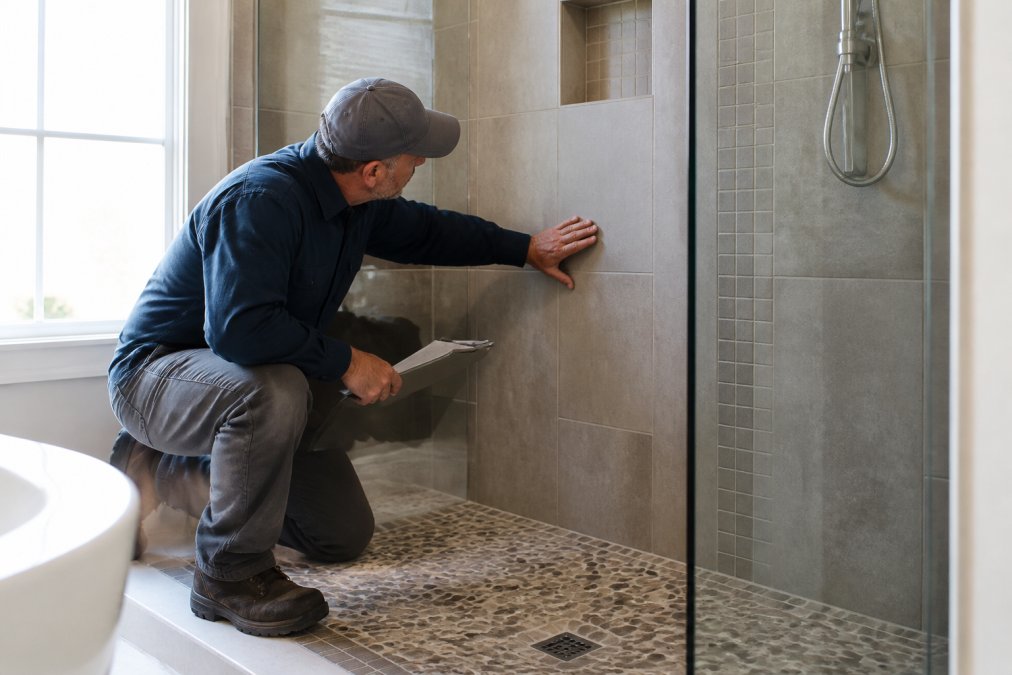
Beyond legal protection, professional contractors bring decades of collective experience to every project. They understand local building codes, municipal permitting requirements, and best practices for everything from custom bathroom renovations to tub-to-shower conversions. They know which materials will hold up in local climate conditions, how to avoid common pitfalls, and how to complete work on schedule.
The peace of mind that comes with hiring a fully licensed, insured, and bonded team is substantial. You’re not wondering whether the work will pass inspection, whether your insurance will cover damage, or whether the contractor will disappear mid-project. With a reputable professional, your project has a clear timeline, detailed documentation, and a guarantee of quality workmanship.
Residential Renovation Contractor Requirements You Need to Know
A legitimate residential renovation contractor must meet specific legal and professional standards to operate in British Columbia. Understanding these requirements helps you vet potential contractors and ensures you’re hiring someone qualified to handle your project safely and legally.
First, the contractor must hold a valid business licence from the municipality where they operate. For Lower Mainland service areas including Surrey, South Surrey, White Rock, Langley, Delta, Cloverdale, and Tsawwassen, this means each contractor must be registered with their local municipality. This registration is public record and can be verified through municipal business licensing databases.
Second, the contractor must carry active WorkSafeBC clearance. WorkSafeBC is the provincial workers’ compensation authority, and clearance indicates the contractor maintains proper workplace safety standards and employee coverage. Without this clearance, the contractor cannot legally employ workers on residential projects. You can verify WorkSafeBC status directly through the WorkSafeBC registry.
Third, current Commercial General Liability (CGL) insurance is non-negotiable. This insurance protects both you and the contractor if someone is injured or property is damaged during the project. A reputable contractor will provide proof of active CGL coverage before starting work. Insurance requirements vary by project scope, but for anything beyond minor repairs, CGL coverage is essential.
Fourth, for projects involving structural work, electrical updates, plumbing modifications, or any work requiring permits, the contractor should be familiar with local building codes and the permitting process. Different municipalities have slightly different requirements, so a contractor experienced in your specific area is invaluable.
Finally, a professional contractor maintains transparent communication, provides detailed written quotes, and stands behind their work with a satisfaction guarantee. These aren’t legal requirements, but they’re markers of a trustworthy operator who takes pride in their craft.
Home Renovation Building Permits and Code Compliance
Not every home repair requires a building permit, but many do, and the consequences of skipping permits can be severe. When you sell your home or file an insurance claim, unpermitted work can create legal and financial complications. Understanding when permits are required protects your property value and your peace of mind.
In British Columbia, building permits are required for most structural work, electrical installations, plumbing modifications, bathroom renovations involving fixtures or waterproofing, kitchen remodels involving structural changes, and any work that affects the home’s safety systems. Permits are also required for walk-in shower installations, tub-to-shower conversions, and master ensuite overhauls that involve plumbing or electrical work.
The permitting process typically begins with the contractor submitting detailed plans to the local municipality. For Lower Mainland communities, each municipality has its own permitting office and specific requirements. Once approved, an inspector visits the site at key stages, foundation, framing, rough-in utilities, and final completion, to verify the work meets code. Only after final inspection approval can the project be considered complete and legally compliant.
Code compliance ensures your home is safe, functional, and valuable. Building codes address structural integrity, fire safety, electrical safety, plumbing function, and accessibility. When a contractor completes work to code, they’re ensuring your family’s safety and protecting your investment. Cutting corners on permits or code compliance might seem like cost savings initially, but it creates liability and devalues your property.
Renovation Project Insurance Coverage and Protection
Insurance is your financial safety net when unexpected issues arise during a renovation project. Understanding what’s covered and what’s not helps you make informed decisions about your renovation and your contractor choice.
Your homeowner’s insurance typically covers damage to your home from covered perils (fire, theft, weather), but it usually does NOT cover damage caused by renovation work in progress. This is why your contractor’s CGL insurance is so important. The contractor’s insurance covers accidents, injuries, and property damage that occur during the project. When you hire a fully insured contractor, you’re protected if someone is injured on your property or if the work causes accidental damage.
Additionally, many contractors carry project-specific insurance that covers the renovation work itself. This protects against defects, incomplete work, or material failure during the project period. A reputable contractor will explain their insurance coverage and provide documentation before work begins.
For major renovations like custom bathroom transformations, walk-in shower installations, or kitchen remodels, some homeowners consider taking out additional project insurance. This coverage protects your investment if the contractor becomes unable to complete the work, if disputes arise over quality, or if unexpected structural issues are discovered mid-project. While not always necessary, it provides additional peace of mind for large projects.
Always verify that your contractor maintains current CGL insurance and that you’re named as an additional insured on their policy. This ensures you have direct coverage if an incident occurs. Request proof of active insurance before work begins, and don’t accept verbal assurances, ask for documentation.
How to Choose a Trustworthy Local Contractor
Selecting the right contractor is the most important decision you’ll make for your renovation project. A trustworthy professional will communicate clearly, deliver quality work, and stand behind their results. Here’s how to vet potential contractors systematically.
Start by verifying credentials. Check that the contractor holds a valid municipal business licence, maintains active WorkSafeBC clearance, and carries current Commercial General Liability insurance. These aren’t optional, they’re baseline requirements for professional operation. You can verify business licensing through your local municipality’s website, WorkSafeBC status through the WorkSafeBC registry, and insurance through direct request to the contractor.
Next, review their experience and portfolio. Ask about projects similar to yours, whether that’s a custom bathroom renovation, walk-in shower installation, or kitchen remodel. Request references from recent clients and actually contact them. Ask about the contractor’s communication style, whether the project stayed on schedule, whether the final cost matched the quote, and whether the homeowner would hire them again.
Check online reviews and ratings carefully. Look for patterns in feedback, do customers consistently praise communication and quality, or do complaints mention missed deadlines and budget overruns? Be wary of contractors with no reviews or only glowing reviews that seem generic. Real customers provide specific details about their experience.
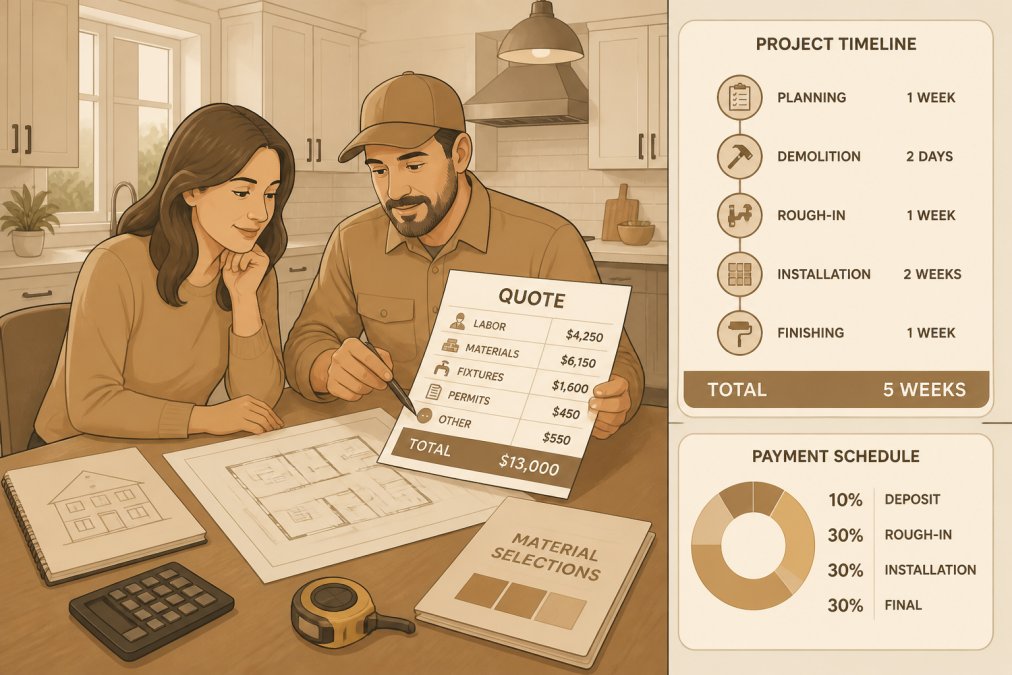
Request detailed written quotes from multiple contractors. A thorough quote should itemize labour, materials, timeline, payment schedule, and warranty terms. Compare quotes carefully, but remember that the lowest price often reflects lower quality or hidden costs that emerge later. A slightly higher quote from a reputable contractor is better value than a bargain from someone who cuts corners.
Ask about their process for handling changes and unexpected issues. Renovations sometimes reveal surprises, hidden water damage, structural issues, or code requirements that weren’t apparent initially. A trustworthy contractor will discuss how they handle these situations and won’t charge surprise fees without prior approval. They’ll communicate the issue, explain the options, and get your approval before proceeding.
Finally, trust your instincts about communication and professionalism. A contractor who returns calls promptly, answers questions clearly, and explains their work in understandable terms is likely to be reliable throughout your project. If a contractor is evasive, dismissive, or pressures you to decide quickly, move on. The right contractor will be confident in their work and happy to address your concerns.
Getting Your Free Estimate and Moving Forward
The estimate process is your opportunity to evaluate a contractor’s professionalism, expertise, and communication style before committing to a project. A thorough estimate provides clarity on scope, timeline, and cost, eliminating surprises later.
When requesting an estimate, be specific about your project. Provide details about the work you want done, any challenges you’ve noticed (water damage, structural concerns, code issues), and your timeline expectations. The more information you provide, the more accurate the estimate will be.
A professional contractor will visit your home to assess the project in person. They’ll ask questions about your goals, inspect the existing conditions, identify potential issues, and discuss solutions. This site visit is crucial, estimates based solely on phone descriptions are often inaccurate and lead to cost overruns later.
The written estimate should include a detailed breakdown of labour, materials, timeline, payment terms, and warranty. It should also clarify what’s included in the scope and what’s not. A quality estimate takes time to prepare because it reflects careful planning and accurate assessment.
Compare estimates from multiple contractors, but don’t choose solely on price. Consider the contractor’s credentials, communication quality, experience with similar projects, and warranty terms. A contractor who provides a lower estimate but lacks proper insurance or experience may cost you far more in the long run.
Once you’ve selected a contractor, confirm the project timeline, payment schedule, and start date in writing. Clarify how you’ll communicate during the project, how changes will be handled, and what happens if issues arise. A clear agreement prevents misunderstandings and sets expectations for both parties.
Frequently Asked Questions
What makes a contractor licensed and insured for home repair work?
Licensed contractors hold current municipal business licensing and carry Commercial General Liability (CGL) insurance that protects you if damage occurs during work. They also maintain WorkSafeBC clearance letters, proving they meet provincial safety and employment standards. When you hire an insured and bonded professional, you're protected from liability if something goes wrong—the contractor's insurance covers it, not you. Always verify these credentials before hiring.
Do I need a permit for home renovation building projects in British Columbia?
Most renovations require permits under BC building code requirements, especially bathroom renovations, kitchen remodels, and structural changes. Permits ensure work meets safety standards and protects your property value. A licensed general contractor handles permit applications and municipal inspections, so you don't have to navigate the process alone. Skipping permits can create liability issues and complications when selling your home.
What should I look for when hiring a local contractor?
Request proof of current licensing, CGL insurance, and WorkSafeBC clearance. Ask for references from recent projects and check online reviews. Get detailed written quotes before work begins—no surprises or hidden fees. A trustworthy professional offers free estimates, explains timelines clearly, and communicates throughout the project. Avoid contractors who demand large upfront payments or can't provide documentation of their credentials.
What's the difference between affordable home repair services and major renovations?
Home repair services address specific issues—plumbing leaks, electrical problems, or structural repairs—often completed quickly. Full renovations (kitchens, bathrooms, ensuite overhauls) involve design, permits, code compliance, and longer timelines. Both require licensed professionals to ensure quality workmanship and code compliance. Affordable doesn't mean cutting corners; it means transparent pricing, efficient scheduling, and no unnecessary add-ons.